At Pullinger Landscapes, we specialize in designing and maintaining elegant outdoor spaces that blend beauty with functionality. Our team is passionate about transforming gardens into serene retreats for residential and commercial clients. With a keen eye for detail and a commitment to sustainability, we ensure that every project reflects your unique style and enhances your property’s value. Let us bring your gardening dreams to life, creating outdoor environments that inspire and rejuvenate.
Transforming Small Spaces: Garden Design Tips
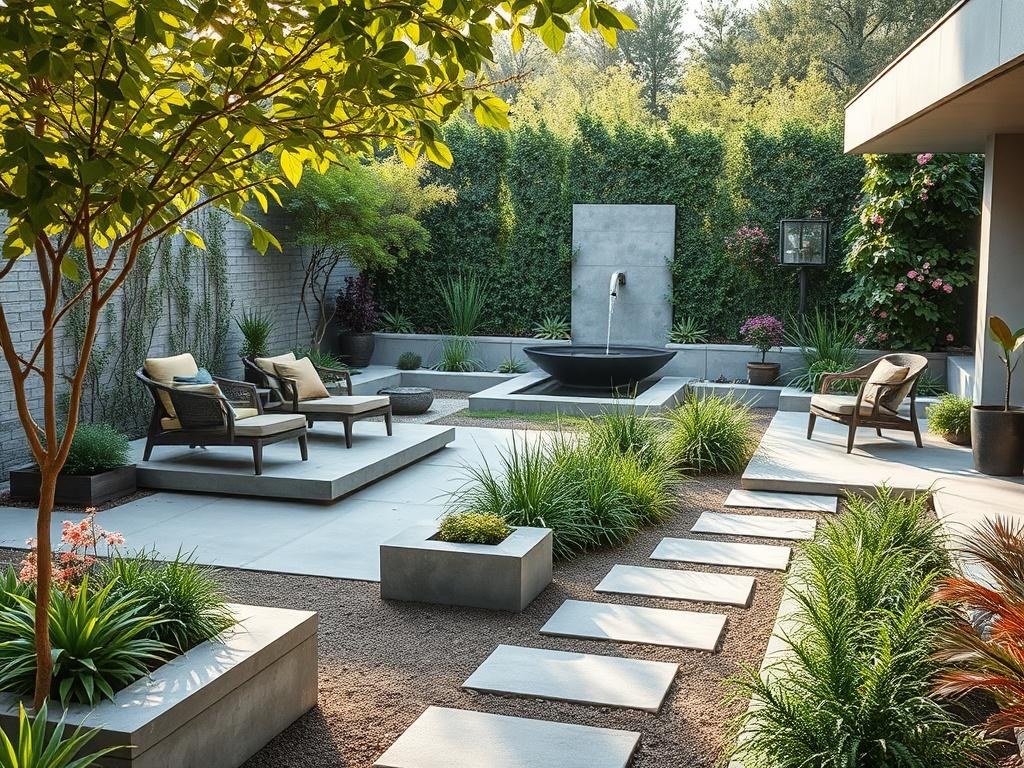
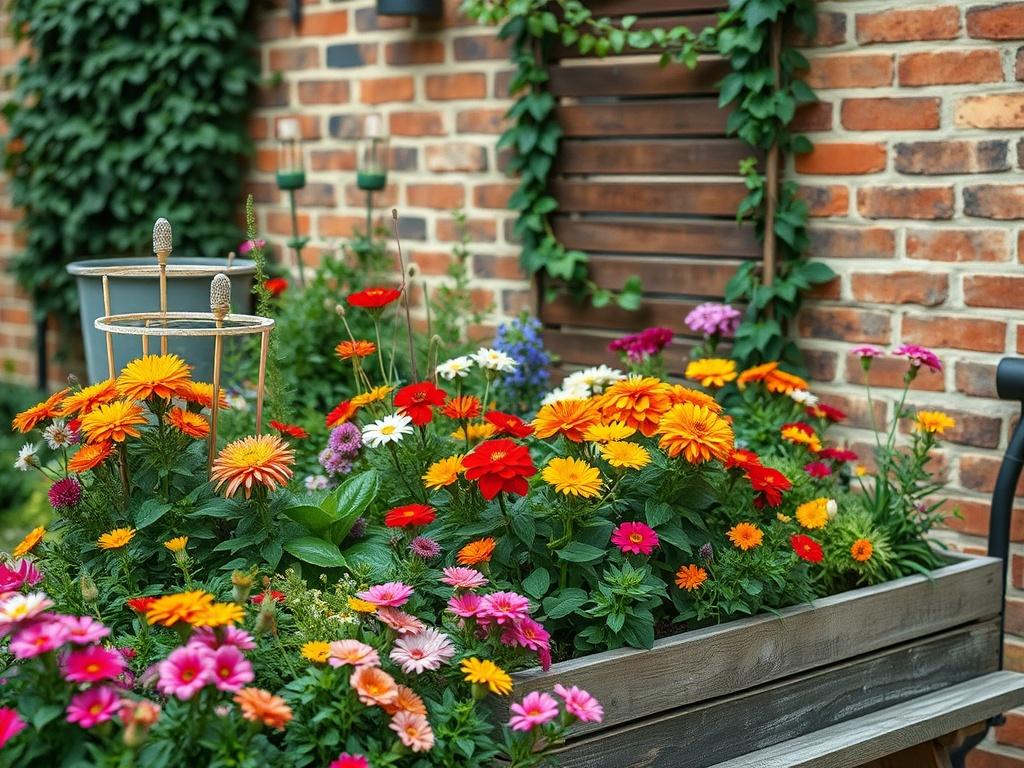
Even the smallest outdoor space has the potential to become a beautiful, functional garden. Whether you have a compact courtyard, a narrow side return, or a modest patio, clever design can make a huge difference. At Pullinger Landscapes, we believe that great garden design is not about size but about creating balance, comfort, and visual harmony. Here are our top tips for transforming small spaces into inviting outdoor retreats.
1. Plan with purpose
Every square metre counts in a small garden, so begin with a clear plan. Think about how you want to use the space. Do you want a peaceful place to relax, an outdoor dining area, or a space for plants and wildlife? Once you have a vision, arrange your layout around it. Using scaled sketches or a digital design plan helps you visualise proportions and flow before starting work.
2. Choose the right materials
Consistency is key when designing a compact garden. Choose a limited palette of materials to create a cohesive look. Natural stone, light gravel, and smooth timber can make small areas feel larger and more inviting. Light colours reflect sunlight and open up the space, while darker tones can create depth and contrast.
3. Layer your planting
Small gardens benefit from thoughtful layering. Combine ground cover, mid height shrubs, and taller statement plants to build dimension without clutter. Vertical planting, such as trellises, green walls, or climbers, is ideal for maximising greenery in tight spaces. Fragrant plants like lavender or jasmine add sensory appeal and help create a relaxing atmosphere.
4. Use height to your advantage
When floor space is limited, look upward. Raised planters, hanging baskets, or built-in seating with integrated planters can make a small garden feel more dynamic. Pergolas or arches draw the eye upward and define zones without taking up much ground space.
5. Keep it clutter free
Simplicity works best in compact gardens. Choose a few high-impact features instead of many small ones. Built-in furniture or concealed storage can keep your garden tidy while maintaining visual flow. A single striking feature, such as a water bowl, sculpture, or feature tree, can serve as a focal point and give the space personality.
6. Incorporate lighting
Thoughtful lighting can transform a small garden after dark. Soft uplighting beneath plants or subtle string lights along fences create warmth and depth. Warm white tones work well in smaller areas, helping to create a welcoming glow without overwhelming the space.
7. Blend indoors and outdoors
If your garden connects to your living area, use matching materials or colours to create continuity. Sliding or bifold doors, similar flooring, and aligned sightlines can make both spaces feel larger and more cohesive. Adding mirrors or reflective surfaces outside also enhances the sense of openness.
8. Add personality with details
Even small spaces can reflect your style. Incorporate cushions, decorative pots, or textured planters that complement your home’s aesthetic. Subtle touches, such as painted fencing or bespoke garden furniture, can elevate the space and make it uniquely yours.
---
Bring your small garden to life
At Pullinger Landscapes, we specialise in creating beautiful, functional gardens of every size across North London. Our design and maintenance team can help you make the most of your outdoor space with tailored solutions that enhance your home and lifestyle.
*Get in touch* today to arrange a consultation and discover how we can transform your small garden into something truly special.
As we wave goodbye to the colorful chaos of autumn leaves, it’s time to celebrate the conclusion of leaf picking season. This annual ritual allows us to reflect and appreciate the beauty of our gardens as they transition from vibrant hues to a quieter, more serene state. The crisp air that signals the end of leaf collection also invites us to engage in vital preparations for our outdoor spaces, ensuring they remain healthy and ready to burst into life when spring arrives.
Now that leaf picking up has finished, we can focus on key garden tasks that set the stage for a thriving landscape in the months ahead. One crucial step is to cut back the roses, allowing them to rest and rejuvenate during the winter. By nurturing our plants with thoughtful preparation, we not only protect their well-being but also create a foundation for a vibrant garden when warmer weather returns. Let’s explore these essential tasks that will help our gardens flourish through the cold months ahead.
Celebrating the end of leaf picking: a moment to reflect and appreciate our gardens
As the vibrant hues of autumn begin to fade and the last leaves tumble to the ground, we find ourselves at a significant juncture in our gardening journey. Now that leaf picking up has finished, it's an ideal time to pause and reflect on the beauty and growth our gardens have showcased throughout the season. The crisp air brings with it a sense of closure, yet it also opens a door to new beginnings. Each fallen leaf tells a story of the summer spent nurturing our plants, and gathering them has allowed us to appreciate the hard work that went into maintaining this green sanctuary.
With the leaf cleanup complete, we can now take a moment to express gratitude for the joys that our gardens have bestowed upon us. From the delightful blooms to the rustling leaves that danced in the breeze, our gardens are a testament to the cycle of life and change. This is a time for reflection, where we consider the lessons learned from our plants and the seasonal challenges overcome. As we transition towards winter, it's time to celebrate the end of leaf picking and prepare ourselves for the crucial tasks ahead that will ensure our beloved gardens thrive in the upcoming spring.
Now that leaf picking up has finished: essential steps to cut back the roses
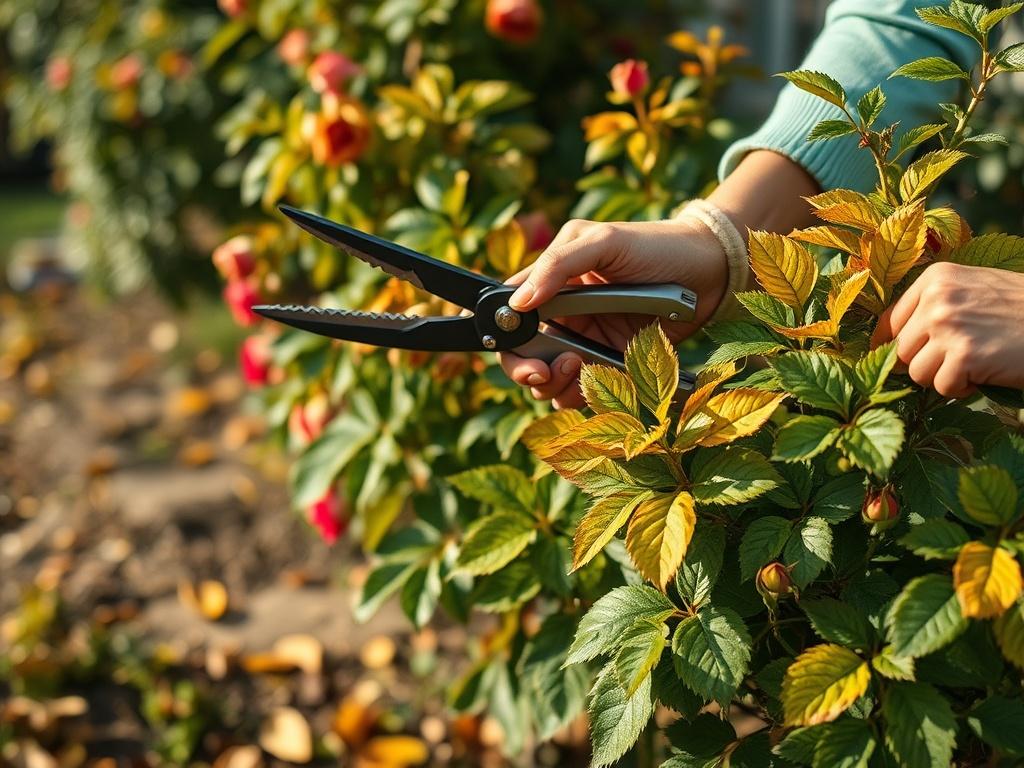
Now that leaf picking up has finished, it’s the perfect time to turn our attention to the roses. Cutting back your rose bushes at this stage not only helps to tidy up the garden but also promotes healthy growth for the upcoming spring. Start by using clean, sharp pruning shears to remove any dead or diseased branches, as well as any that are crossing or rubbing against each other. Aim to trim back about one-third of the plant's height, ensuring to make cuts just above a set of healthy buds, which encourages robust new growth. This rejuvenation is essential for keeping your roses vibrant and full of blooms when warmer weather returns.
In addition to pruning, now is an ideal time to assess the overall health of your roses. Check for any lingering pests or signs of disease, and address these issues before they worsen over the winter months. Mulching around the base of the plants can provide insulation and help retain moisture during colder weather. As you cut back the roses and prepare the garden for winter, remember this process is about maintaining the health and beauty of your rose garden; your efforts will pay off with stunning displays of color come springtime.
Preparing the garden for winter: nurturing our plants for a vibrant spring
As the temperatures drop and winter approaches, it’s crucial to prepare your garden for the colder months ahead. Start by clearing away any debris and spent plants to prevent pests and diseases from taking hold during the winter. Consider adding a layer of mulch around your plants, which will help insulate the roots, retain moisture, and suppress weeds. Pay special attention to tender perennials; protecting their base with mulch can ensure they survive the chill and thrive come spring.
Additionally, winterizing your garden tools and equipment sets the stage for a productive gardening season. Clean, sharpen, and oil your tools before storing them away to prevent rust and damage. If you have pots or containers outdoors, consider bringing them inside or insulating them to protect their contents from freezing temperatures. Taking these steps not only prepares your garden for winter but also brings you one step closer to a lush and flourishing landscape when the first signs of spring appear.

As the London climate undergoes noticeable changes, residents are increasingly facing the challenges of hotter, drier summers that can leave traditional gardens struggling to survive. Here at Pullinger Landscapes, we understand the importance of transforming outdoor spaces into sanctuaries that thrive in this changing environment. By integrating drought-tolerant plants into your garden design, you can create a beautiful, low-maintenance retreat that flourishes despite the heat while keeping your water bills manageable.
In this blog post, we’ll explore our top 10 resilient plants that not only withstand dry spells but also enhance the visual appeal of your garden, whether you're in bustling Central London or a quiet corner of North West London. Additionally, we’ll share expert tips on maintaining your drought-tolerant oasis, ensuring your outdoor space remains a place of relaxation and enjoyment year-round. Let’s dive into how you can cultivate a sustainable haven right in your own backyard!
Understanding the importance of drought-tolerant plants
The changing climate in London has made it more crucial than ever to rethink our garden designs. With increasingly hot and dry summers, traditional gardens often struggle to thrive, leading to scorched lawns and wilting plants. Drought-tolerant plants offer a practical solution for London gardeners, allowing them to create vibrant landscapes without succumbing to the stress of constant watering. These resilient species not only reduce the water required to maintain a lush appearance but also provide a sustainable choice that aligns with environmental concerns, making them an ideal option for modern urban living.
Incorporating drought-tolerant plants into your garden layout does more than just save water; it supports local biodiversity. Many of these plants attract vital pollinators like bees and butterflies, contributing to a healthier ecosystem in the heart of the city. Additionally, these hardy plants thrive with minimal intervention, offering a low-maintenance alternative for busy urban dwellers. By choosing drought-tolerant varieties, gardeners can enjoy the beauty of their outdoor spaces while playing a role in tackling climate change and reducing the urban heat island effect.
Top 10 resilient plants for your London garden
Creating a drought-tolerant garden in London doesn’t have to mean sacrificing beauty for practicality. Start with Lavender (Lavandula), the quintessential star of any drought-resistant garden. This fragrant herb flourishes in sunny, well-drained conditions and adds visual interest with its silver-green foliage and vibrant purple spikes. Not only does Lavender attract pollinators like bees, but it also enhances your outdoor space with its soothing scent, making it an excellent option for pathways or bespoke planters. Another standout choice is Rosemary (Salvia rosmarinus), a hardy herb that thrives in even the poorest soil. With its woody structure, Rosemary serves as an evergreen sentinel in your garden while providing fresh herbs for culinary creations.
For those looking to inject a splash of color into their garden, Coneflower (Echinacea) showcases striking blooms in vibrant pinks, oranges, and yellows, making it an ideal candidate for your planting scheme. Consider adding Catmint (Nepeta) for a softer aesthetic; its lavender-blue flowers offer a laid-back vibe that softens the modern lines of a contemporary London patio. If you're after unique textures, Sedums (Stonecrop) present diverse varieties that thrive in confined spaces, making them perfect for courtyard designs. As we explore more options, Judas Tree (Cercis siliquastrum) boasts breathtaking spring blooms, while Yarrow (Achillea) infuses natural charm with its wildflower appearance. Whether you're growing in a tiny balcony or a spacious backyard, these 10 resilient plants will ensure your London garden remains thriving even during those hot, dry spells.
Expert tips for maintaining your drought-tolerant oasis
Maintaining a drought-tolerant garden is straightforward, but it does require some initial effort to set up your plants for success. Start by ensuring a robust watering routine in the first few months after planting. This step is crucial as it allows your plants to establish deep root systems that will enable them to endure dry spells. Consider using a drip irrigation system or soaker hoses to deliver water directly to the roots, making your initial watering phase more efficient and conserving water.
Mulching is another essential maintenance technique. A layer of organic mulch, such as bark chips or straw, not only helps retain soil moisture but also prevents weed growth that can compete for resources. Additionally, periodically monitor your plants for signs of stress and adjust your watering schedule accordingly based on seasonal changes. By combining these strategies, you will create a lush and resilient garden that thrives even during London’s increasingly warm and dry summers.
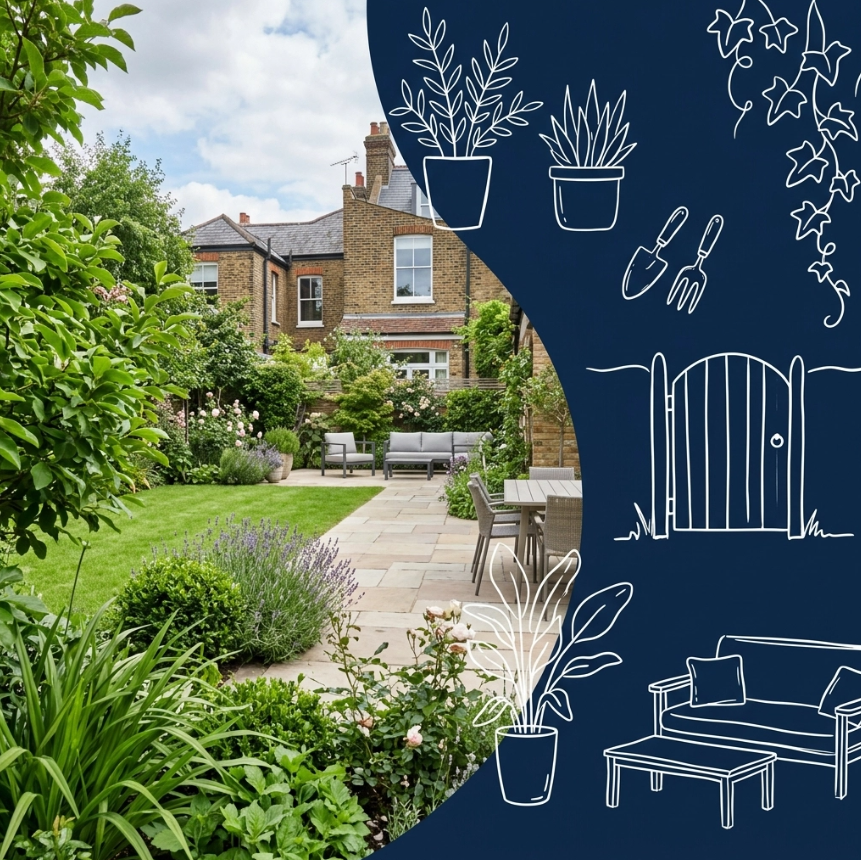
Transforming your outdoor space is more than just a home improvement project; it's an opportunity to create a sanctuary that reflects your personality and lifestyle. In the vibrant and diverse backdrop of North London—from its leafy suburbs to its dynamic urban areas—your garden can become a haven where you unwind, entertain, and connect with nature. At Pullinger Landscapes, we understand the unique challenges and opportunities that come with landscaping in this region, and we're here to guide you in crafting the perfect outdoor oasis.
In this comprehensive guide to expert landscaping in North London, we delve into the creative possibilities for your garden, from maximizing small spaces to embracing sustainable practices. Whether you're envisioning a chic modern courtyard, a family-friendly retreat, or a lush sanctuary teeming with life, our insights will empower you to unlock the full potential of your outdoor space. Join us on this journey as we explore transformative design solutions that not only enhance your home but also enrich your lifestyle.
Unlocking the potential of your North London garden: Transforming your outdoor space
Transforming your outdoor space in North London begins with envisioning the possibilities within your garden. Each plot holds unique characteristics, and with the right landscaping techniques, you can unlock its true potential. Whether you own a sprawling backyard or a compact urban garden, expert landscaping can revolutionize how you relate to your outdoor environment. Imagine a vibrant retreat filled with colours, textures, and scents that enhance your home’s aesthetic and provide you with a personal oasis—a place to unwind, entertain, or connect with nature right in the heart of the city.
When you invest in expert landscaping, you don’t just enhance your outdoor environment; you create a coherent extension of your living space. Thoughtful arrangements of plants, hardscaping elements, and outdoor features can encourage a seamless flow between indoor and outdoor areas. Incorporating well-placed patios, pathways, and seating areas allows for functionality and fosters the chance to engage with your garden throughout the year. North London’s diverse flora provides an array of options, from lush evergreens to seasonal blooms, ensuring your garden remains a source of joy and serenity. Let’s explore how professional landscaping can not only beautify but also elevate your lifestyle.
Bespoke landscaping solutions: Expert tips for a unique outdoor experience in North London
Transforming your outdoor space in North London requires a tailored approach that considers both the unique characteristics of your property and your personal lifestyle. At Pullinger Landscapes, we emphasize the importance of bespoke design that reflects your vision, needs, and the specific challenges of your garden. By engaging in a collaborative consultation process, we dive deep into understanding how you envision using your space. Whether it’s creating a family-friendly area for children to play or an elegant environment for hosting gatherings, our expert team translates your ideas into innovative design concepts that maximize every square inch of your garden.
As we move from concept to reality, our skilled designers focus on creating distinct zones that enhance functionality without sacrificing aesthetics. This includes not just selecting the right plants and materials, but also incorporating hardscaping elements that harmonize with your home’s architecture. Thoughtful choices like bespoke seating areas or vertical gardens can elevate the experience of your outdoor space while providing visual interest. Our goal is to ensure that each aspect of your garden serves a purpose and contributes to the overall beauty and enjoyment of your outdoor retreat. Embrace the art of bespoke landscaping and watch as your North London garden transforms into a unique haven that perfectly aligns with your everyday life.
Sustainable design practices: enhancing your outdoor space with eco-friendly landscaping in North London
In North London, embracing sustainable design practices can significantly enhance your outdoor space. By choosing plants native to the region, you not only create a beautiful environment but also support local wildlife. Native species often require less water and maintenance, making them ideal for homeowners looking to reduce their ecological footprint. Incorporating pollinator-friendly plants encourages biodiversity, providing essential habitats for bees, butterflies, and other beneficial insects. This creates a vibrant ecosystem right in your garden, enhancing the natural beauty while contributing to environmental health.
Sustainability isn't just about the plants you choose; it extends to the materials used in your landscaping project. Opting for permeable surfaces allows water to naturally filter into the earth, reducing runoff and the risk of flooding in urban settings. Utilizing reclaimed materials for your hardscaping elements can add character while minimizing waste. At Pullinger Landscapes, we understand that eco-friendly landscaping is about creating a stunning outdoor space that reflects your values. By implementing thoughtful design strategies, you can enjoy a garden that is not only visually appealing but also a responsible choice for the planet.